
Dental implants are the most promising way to restore a smile on the faces of people who have lost one or more teeth. This procedure is widely suggested for people who lost their teeth in an accident or due to periodontal disease. Dental implants help people grind and chew food properly and also help in giving their appearance a proper definition. Read on to learn more about this procedure, its types, and its benefits.
Who needs dental implants?
An individual with one or more missing teeth or damaged roots would require dental implants. This procedure replaces a tooth or teeth that have been lost. They are usually made of titanium, a biocompatible metal that does not cause inflammation in the body when it enters it. It can replace one or more teeth, including the root of a molar (the back part of your upper jaw).
Types of dental implants
There are three types of dental implants – endosteal implants, subperiosteal implants, and zygomatic implants. Dental implants are placed into the jawbone. They can be placed either endosteal (through the bone) or subperiosteal (on the surface of your jawbone).
Endosteal implants
Endosteal implantation is done by creating a hole in your oral cavity, then inserting a metal post inside this opening. This procedure lasts around six months and successfully restores teeth lost due to decay or trauma. When there are not enough teeth remaining after removal surgery, endosteal implants may be used as an alternative to other methods, such as partial dentures or bridgework, because it does not necessitate extensive surgery on your mouth area itself.
Subperiosteal implants
Subperiosteal implants were invented as an alternative to endosteal implants, performed when there is an insufficient healthy bone in the lower jaw to support the implants. In this implant, a metal frame is planted with a post attached to the gum. Once the gum heals around the edge, the dental implants are screwed to the poles projected from the gums.
Zygomatic implants
Zygomatic implants are a lesser-known procedure where the implants are positioned into the patient’s cheekbone rather than the jawbone.
Procedure
Dental implant surgery is a procedure carried out by a dentist or a team comprising a dentist and an oral surgeon to restore the functionality of missing teeth or improve their appearance. The procedure offers a permanent solution to missing teeth and necessitates less-invasive applications than other methods, such as bridges and dentures. Dental implants are placed into the jawbone below the gum line, where they function like natural teeth would have done before you lost them due to injury or decay. They are made from titanium alloy, so they will not break down over time and can last for decades with proper care.
Benefits
Dental implants are the only permanent solution to missing teeth and can improve the appearance of your smile. They are also an excellent choice if you have dentures, as they allow you to replace a single tooth with two or more dental implants. Dental implants can help improve chewing and speech besides enhancing one’s physical appearance.
Risks
There are several risks associated with dental implants, including pain and swelling in the mouth for the first few days after surgery. The implant site may also bleed slightly initially, but this should stop within a few weeks. Infection at the implant area is another possible complication if you do not follow proper cleaning practices after your procedure or do not get regular checkups with your dentist.
If your bone does not fuse with the upper portion of your new tooth properly after it is placed, it becomes very likely that you will lose all support for that tooth later on down the line. It can happen even when everything goes well during placement. However, there are ways around this problem by using unique materials like composites made from calcium sulfate, which helps keep things strong while still keeping them flexible enough so they won’t break off easily during chewing activities.
Failure of bone to fuse with the upper portion of an implant can lead to nerve damage in your jaw, causing pain and numbness in your gums and chin. It could result in reduced sensitivity within these areas even after healing has occurred since nerves continue working throughout life even if they were not damaged before placement. If you experience any of these complications or problems, your dentist may need to remove some of your new teeth and replace them with temporary ones until repairs or other implants are required.
Post-procedural instructions
After the procedure, proper care and medication are required to ensure no infection around the area where the implants are placed. After completing the procedure, you should keep the area clean by washing it with mild soap and warm water. One must also avoid foods that could cause bleeding during the healing process. For example, raw meat or red wine may cause infection around implants, leading to tooth loss or even worse scenarios like bone loss (osteoporosis). Also, avoid brushing too hard, as this might damage gums due to poor oral hygiene habits practiced by patients who had dental implants installed in their mouth at some point in past years before the treatment.
Although many risks are associated with dental implants, modern technology, and advanced techniques have reduced these factors to a minimum. They are an excellent option for people who are missing teeth or have damaged tooth roots and those who want to improve the appearance of their smiles. However, it is pertinent to mention that people diagnosed with diabetes, Parkinson’s disease, and certain autoimmune disorders are advised against getting dental implants as they are more prone to infections and other related complications. With regular and proper care, implants are expected to last a lifetime, provided the patient attends regular dental examinations every six months.
4186 People Viewed
View More

Heart-related issues are some of the most concerning health concerns in the country. Of these, a key condition is atrial fibrillation or abnormal heart rhythm. The country sees over 454,000 hospitalizations with atrial fibrillation as the primary diagnosis, says the Centers for Disease Control and Prevention (CDC). However, one can prevent and manage the condition by making lifestyle changes, including healthy eating habits. Here are some heart-healthy foods to help deal with atrial fibrillation:
Causes and symptoms
Atrial fibrillation, or AFib, is heart arrhythmia or abnormal heart rhythm. The condition usually causes an irregular or fast heartbeat and can be fatal if not treated immediately. Atrial fibrillation is caused by an imbalance between the electrical impulses that control the heartbeat’s rhythm in the left atrium—the top section of the heart. One may have this irregular heartbeat for several months before or after being diagnosed with atrial fibrillation. The condition develops when the upper chambers of the heart beat irregularly and chaotically. An irregular heartbeat can cause severe damage to blood vessels, making them leak fluid. If left untreated, this fluid buildup can lead to organ failure and other serious complications. Here are some of the common causes of AFib:
Common symptoms of atrial fibrillation are:
Additionally, people with the condition could also experience chest pain or weakness and shortness of breath when walking up the stairs or participating in a similar physical activity.
Best foods to manage AFib
Protein sources
Chicken and fish are rich in protein and iron. While beef is a good source of protein, iron, zinc, and vitamin B6, it is rich in fats that can increase cholesterol levels and the risk of AFib. So, one should substitute red meat with plant-based protein sources like tofu.
Yogurt
Yogurt is made by fermenting milk. It contains probiotics, which are known to improve digestive health and strengthen the immune system. According to some studies, probiotic-rich food is also good for the skin and hair. Probiotics are live bacteria or yeast cultures naturally occurring in the human gut. When consumed, these bacteria or yeast cultures ferment the lactose (the sugar found in milk) into lactic acid, which creates beneficial acids like butyric acid (fatty acid) and acetic acid (fruity). Probiotics can help one’s gut health and reduce the risk of digestion issues and heart problems.
Fresh fruits and other antioxidant-rich foods
Bananas contain high amounts of potassium and fiber, which help lower blood pressure and decrease the risk of heart disease. Fresh fruits are also low in sodium, a component of most foods responsible for increasing the risk of high blood pressure or heart disease. Further, foods like berries, nuts, and green tea have been shown to have favorable effects on the immune system. These foods contain antioxidants essential for the immune system, helping it prevent many diseases. Regular intake of antioxidants can also help significantly reduce the risk of heart disease and cancer. Berries such as blueberries, strawberries, and raspberries are rich in antioxidant vitamins A, C, and E, as well as fibers that may help improve one’s overall health. Additionally, nuts like walnuts or almonds contain healthy fats that can lower cholesterol levels, while green tea is an excellent source of antioxidants.
Whole grain cereals and legumes
These plant-based foods are a rich source of nutrients beneficial for the heart. Whole grain cereals and legumes contain fiber, antioxidants, minerals, and vitamins, essential for maintaining heart health and one’s overall health. These foods also contain phytonutrients that may have anti-inflammatory effects on blood vessels.
Fish
Fish contains omega-3 fatty acids, effectively reducing the risk of AFib by lowering one’s blood pressure levels. Additionally, fish such as salmon and mackerel are excellent sources of omega-3s, so one can add seafood to their daily meals. Omega-3 fatty acids have been shown to lower the risk of abnormal heart rhythm in study subjects at risk of developing atrial fibrillation or flutter. The same study also showed that people with heart diseases who had more fish were less likely to develop cardiovascular diseases over time than those who did not eat fish regularly.
Mediterranean food plan
In addition to making changes to daily meals, one can consider following the Mediterranean nutritional regimen. It is rich in fruits, vegetables, and whole grains, helping reduce the risk of heart disease, cancer, and diabetes. The critical components of this food plan are:
One can choose from a variety of heart-healthy foods to help maintain heart health and avoid developing an irregular heartbeat. If dealing with AFib, one should consult a doctor or a nutritionist before introducing drastic changes to their meal plans. Discussing food choices with an expert can help one avoid nutritional deficiencies.
9823 People Viewed
View More

Age-related macular degeneration (AMD), also known as wet AMD, is a condition that causes vision loss in the center of the retina. The disease can be caused by high blood pressure, diabetes, smoking, and other factors. Age-related macular degeneration does not affect a person’s eyesight overnight but progresses over time. However, diagnosing it early is essential for keeping one’s baseline vision intact. This article debunks 10 common myths about the condition. Read on to know more.
Dry AMD is easier to treat than Wet AMD
Patients with dry age-related macular degeneration (AMD) can see improvement within just one month after starting a new treatment plan. Many people think dry AMD is more difficult to treat than wet AMD, but the opposite is true. While both forms of the disease can cause vision loss and blindness if left untreated, dry AMD does not require surgery or prescription treatment as frequently as it does for those with wet AMD.
One will know right away if they have AMD
The truth is that most patients with AMD do not know they have it. Generally, at the initial stages, it creates only minor vision changes or shows no symptoms at all. It is only at a later stage, when the vision starts getting worse, does a person realize that something is wrong with their eyesight. For this reason, it is suggested that one must get their eyes checked regularly to keep their health in check.
Nothing can be done to prevent the progression of AMD
Many believe that there is nothing that can be done to manage AMD. However, this is not true. Making a few changes in the meal plans and regularly consulting with a doctor can help prolong a person’s vision. It is best to consume more leafy vegetables and oily fish for the extra nutrients required for good eyesight.
If a person has a family history of wet AMD, they will get it too
Family history does not guarantee that a person will get AMD. There are several factors, such as advancing age, genes, cholesterol levels, and blood pressure, that are responsible for AMD development.
All AMD progresses at the same rate
While it is true that AMD progresses at the same rate for most people, there are exceptions. The rate of progression varies from person to person and can be accelerated or slowed by factors like meal plans or genetics. AMD is not a disease that progresses linearly; it is more like an onion with layers of complications, each layer adding to a person’s symptoms as they age. At the core of this, onion is those two leading causes: age-related macular degeneration (AMD), which affects dry eyes and cataracts, as well as wet AMD (wet AMD being more common among those over 60 years old), which causes blood vessels in the eye to leak fluid into them (known as clouding).
Consuming carrots can improve vision
Carrots are one of the most popular foods in the world. They are suitable for everyone and taste delicious, but no evidence eating carrots can improve a person’s vision. Carrots contain beta-carotene, which helps prevent macular degeneration (AMD) and cataracts. Besides carrots, consuming foods rich in vitamins A, C, and E is important. Good nutrition helps protect the eyes from developing drusen, a debris buildup in the innermost layer of the eyes that contribute to AMD. Good nutrition can promote good eye health; however, it is not a cure for AMD or cataracts.
Dry and wet AMD are entirely different diseases
The most common type of macular degeneration is dry AMD, which is caused by age-related changes in the macula. As a person ages, the retina—the layer behind the eye—becomes more fragile and atrophies. This causes damage to photoreceptors (cells that convert light into electrical impulses), leading to loss of vision. Wet AMD occurs when fluid builds up in or between layers of tissue around blood vessels or nerve fibers in or near the retina. Wet AMD often begins as early as midlife but can develop later in life if it progresses slowly enough for a person not to notice any changes until it is too late.
Young people will not get AMD
You may have heard that AMD is a disease that only affects older people and that young people do not get it. This is not true. Most cases of AMD are diagnosed in adults over 60 years old. However, it is not just older people at risk for developing this condition—anyone can get it at any age.
Reading in a dimly lit atmosphere will damage the eyes
You may have heard that reading in dim light will damage the eyes. This is absolutely not true. Reading in dim light has nothing to do with age-related macular degeneration. Reading in a dimly lit area can put more stress on a person’s eyes and make the reading experience less enjoyable. Other than this, it does not cause any other harm to a person’s eyes. It is perfectly safe to read in dim light as long as a person is able to read a book or a magazine comfortably.
People with AMD will eventually go blind
Many people give up thinking that any amount of medical treatment will not stop the progress of their AMD condition and that they will eventually go blind. Many rumors lead people to not even go for a checkup or treatment from a certified doctor. Before the advent of advanced medical methods, some people with AMD who gave up hope did indeed go blind. However, many advancements in the ophthalmology field have led to many people being treated properly.
While there are no easy answers, knowing what risks a person may face as they age and how to protect oneself from the risks is crucial. If you or someone you might know has been diagnosed with AMD, make sure they see an eye doctor who can diagnose and treat this condition. We hope this post helped debunk some common myths around AMD.
8182 People Viewed
View More

Dental implants are the best way to replace missing teeth, but there are certain things that one should avoid after getting the procedure. The gums are delicate after the surgery. Many patients return to the dentist because of a post-surgery injury caused by a particular food item. Apart from following proper oral hygiene, it is also essential to watch out for certain foods to protect the implants.
What are dental implants?
Dental implants are artificial tooth roots that replace missing teeth. They are made of titanium and surgically placed in the jawbone, replacing your natural tooth with an implant that looks, feels, and functions like a real one. The implants can replace single or multiple teeth in both the upper and lower jaws. The procedure involves placing an implant into your jawbone behind (or below) the remaining healthy natural teeth so they can support new ones when needed later.
List of foods eat after dental implants
List of foods to avoid after dental implants
After dental implants, it is essential to follow a healthy meal plan. It may take a while before you can eat your favorite foods again, but with proper care and attention to your oral health, this should not be an issue. There are many reasons one should eat well after getting dental implants. It helps prevent disease, maintain good oral health, and help repair gum tissue if necessary.
If you still experience pain after the dental implant procedure, make an appointment with your dentist at the earliest. This may mean that you may need to have the implant replaced or adjusted. Ignorance can worsen the dental condition, leading to further complications,
7551 People Viewed
View More
Advertisement
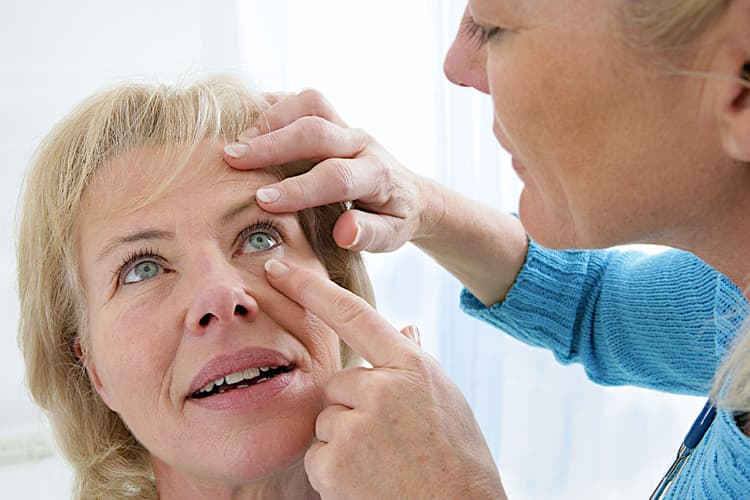
Age-related Macular Degeneration (AMD) is a common condition that affects the macula – a light-sensitive tissue at the back of the eye. Age-related Macular Degeneration is the top cause of blindness in people over 65, affecting more than 6 million people today. As you age, AMD can cause a progressive loss in central vision (the ability to see objects clearly). It can lead to vision loss or blurriness of things you see with your central eye.
Here we will take an in-depth look at what causes AMD, how it affects your eyesight, and what treatments are available.
What is macular degeneration?
Macular degeneration is a disease that affects the macula or the light-sensitive tissue at the back of your eye. It causes blurred vision and loss of central vision (the area where you see things clearly).
This can make driving dangerous or impossible for some individuals who have lost their peripheral vision because they cannot judge distances accurately anymore.
Risk factors
In general, the following risk factors are associated with AMD:
Symptoms of AMD
There are many symptoms of macular degeneration, including:
What causes age-related macular degeneration?
Age-related macular degeneration (AMD) is a form of vision loss that affects the central part of your retina. It can make it hard to see faces, read, watch TV, and more. Your peripheral (side) vision may remain normal.
Experts do not know precisely what causes AMD or how people get it, but they know that smoking cigarettes increases your risk of developing AMD by 50%. Current research shows that smoking increases your risk of developing AMD by 40% – 80%.
Many treatments are available for patients with early stages of this condition, so do not hesitate to talk with ophthalmologists about options for managing any issues you may have related to this disease!
Management options of AMD
There are several treatment options for AMD, including:
Laser treatment
This can be performed on the eye’s surface or, in more advanced cases, within the back of the eye. Laser therapy is also a good option if you have cataracts but no other AMD symptoms. The laser helps dissolve blood vessels causing inflammation and pain in your eyes, preventing new blood vessels from forming so they do not become inflamed again over time (this might take months).
Drug therapy (topical medications)
There are several drugs available for treating dry eyes caused by AMD: artificial tears, anticholinergics such as tetracycline hydrochloride (a medicine used for many types of infections), cyclosporin A injection given into muscle tissue at least once daily until improvement occurs; steroids like prednisone can be taken orally as well as injected into muscle tissue regularly until improvement occurs; topical lubricants containing polyethylene glycols may help reduce sensitivity due to dryness/burning sensation.
Life-style modifications for people with AMD
How to treat age-related macular degeneration?
Several things can help improve your vision if you have age-related macular degeneration. The first is to find a doctor who specializes in treating this condition. Your eye care professional will want to know all about your medical history and any other health conditions that might also affect your eyes or body.
You should follow a healthy meal plan and increase your physical activity levels by joining an exercise program or walking more often throughout the week.
In addition to getting regular eye exams at least every year, people with macular degeneration need to keep track of how much sleep they get each night because chronic lack of rest can cause further damage to their eyesight.
What are the remedies for age-related macular degeneration?
If you have macular degeneration, taking care of your eyes is essential. The best way to do this is by eating healthy meals and exercising regularly. You should also ensure that you have regular eye exams so your doctor can monitor the progression of the disease in case it progresses faster than expected.
In addition, certain medications can help prevent further damage from developing if left untreated, while others can be used as a treatment once symptoms appear (like laser surgery). To ensure all of these options are noticed and utilized, ensure you get an early diagnosis and treatment for macular degeneration!
There are currently several options to consider when managing age-related macular degeneration.
Supplements
For several reasons, following a proper meal plan is essential to managing this condition. Several natural remedies can be used to treat macular degeneration:
Vitamin C (ascorbic acid)
This vitamin acts as an antioxidant in the body and effectively reduces the effects of oxidative stress caused by free radicals in the eyes. It also helps maintain healthy endothelial cells in the retina that nourish blood vessels.
Conclusion
The best thing people can do is visit their doctor regularly for regular checkups. We hope the above options help you manage, if not cure, AMD. Proper management of AMD can help avoid losing vision once and for all. Managing AMD is a better solution to living a happy and healthy life. This includes adhering to a strict meal plan, following proper workouts, and having a positive mindset to combat any unforeseen circumstances. In case of any confusion, it is recommended to reach out to your healthcare professional.
2837 People Viewed
View More

The kidneys are among the essential organs in the body. They help eliminate toxins from the blood and transform the impurities into urine. Unfortunately, several diseases may affect the kidneys and prevent them from functioning correctly. As per estimates, around six million people in our country aged 18 or older suffer from kidney disease. It can affect one or both kidneys and can be severe enough to require dialysis or even transplantation if not managed.
What are the types of kidney diseases?
They are mainly divided into chronic kidney disease (CKD) and acute kidney disease (AKD):
Chronic kidney disease
CKD is a long-term problem affecting the organ’s ability to filter waste from the blood. Here, the kidney is affected gradually, usually due to ailments like diabetes or high blood pressure. The main symptoms are tiredness, feeling sick more often, and weakness in one arm or leg when standing up (this may go away on standing up straight).
Acute kidney disease
AKD occurs suddenly and is more severe but not a long-term problem. It may result from damage to the organ due to an illness or treatment. The symptoms include chest pain, stomach pain, loss of appetite, and fever, among others.
What are the most common kidney diseases?
Some of the most common ones are kidney stones, glomerulonephritis, polycystic kidney disease, and urinary tract infection (UTI). Let us take a closer look:
Kidney stones
These are hard deposits of calcium and other substances inside the organ. Kidney stones can be as tiny as a salt grain or as large as a lime. They may cause pain in the lower back, side, or abdomen and blood in the urine. The pain is caused by pressure on one or more of the ureters—the two tubes that carry urine from the kidneys to the bladder. A stone moves through these tubes and causes a blockage when it becomes lodged at any point or gets bigger than 1 mm. This blockage causes urinating to become painful or difficult, a condition called urinary retention.
Glomerulonephritis
It is a disease of the glomeruli (nephron)—small blood vessels in the kidneys. The main symptom is proteinuria (blood in the urine). Glomerulonephritis can cause kidney failure if left untreated or if the patient has another condition that makes their kidneys more susceptible to damage. The causes of glomerulonephritis include granulomatous diseases (such as sarcoidosis and Wegener’s granulomatosis), long-lasting viral infections (such as hepatitis B or C), and autoimmune disorders (like lupus).
Polycystic kidney disease
It is a genetic disease that can cause the organ to be abnormally shaped and develop cysts. If a person has polycystic kidney disease, they may experience fatigue, thirstiness, and frequent urination (early morning or at night). The condition is usually genetic, which means it runs in families.
Urinary tract infection
A urinary tract infection is mainly caused by bacteria called Escherichia coli (E. coli). Sometimes, it is also caused by other infections like yeast or fungus that grow in the bladder or kidneys. UTIs usually affect women and cause pain and burning while urinating and frequent urination. However, they usually do not need powerful treatments because they lead to mild symptoms in most cases. Nevertheless, if one develops signs like blood in the urine, they must seek immediate attention from an expert.
What are the symptoms of kidney disease?
While the symptoms might differ from condition to condition, there are a few common symptoms one should never ignore. These include blood in the urine, fever (low grade or high), chills, nausea, vomiting, fatigue, and pain in the abdomen, which patients may feel as a burning sensation or heaviness. Swelling in the feet is another common sign, especially if a person has diabetes or hypertension.
How to manage kidney diseases with treatment?
Dialysis is one of the most common treatments for severe cases. It is usually needed when the kidneys fail and cannot do their job. There are various types of dialysis. The options available include:
Peritoneal dialysis (PD)
Doctors use a catheter to transfer special cleansing dialysis fluid to the patient’s peritoneal cavity—the open spaces in the abdomen. The fluid cleans the blood impurities through the abdomen’s internal wall. Once its job is done, doctors drain the fluid. PD requires multiple daily sessions but can be done at home or in a dialysis center.
Hemodialysis
This treatment involves removing blood from one’s arm, filtering it through special machines, and returning filtered blood to the body via an artery. This process repeats until all waste materials have been removed from the system by filtration through these same filters over time.
What lifestyle changes are recommended?
Besides using the proper treatment, one must follow healthy habits. Here are a few tips:
Follow a healthy meal plan
Nutrition is crucial for managing several ailments, and kidney disease is no exception. Healthy foods help patients gain strength to fight the problem. Patients should avoid salt, foods high in potassium (such as bananas), and caffeine. At the same time, they are advised to opt for nutrient-rich foods like cauliflower, blueberries, garlic, red grapes, and olive oil. One must also drink plenty of water.
Exercise regularly
Kidney diseases can affect one’s muscles and bones, so exercise is essential. Patients can opt for aerobic exercises, resistance training, and flexibility and balance exercises. These can improve muscle strength and leg stability. Moreover, exercise can help fight stress, which often sets in when dealing with chronic ailments.
Manage blood sugar and cholesterol
Patients must aim to control their blood pressure and cholesterol levels by eating healthful foods containing less sodium, saturated fat, and cholesterol.
Kidney disease is a common problem in our country. While it can be managed with proper treatment and lifestyle changes, it is essential to know the symptoms to diagnose the condition in time. The kidneys are vital in filtering waste and toxins from the blood. If ignored, the condition may lead to several complications and even death.
6285 People Viewed
View More

Kidney diseases are some of the most common and life-threatening conditions that affect patients worldwide. These diseases lead to kidney function failure over time. It can be caused by various factors, including environmental toxins, genetic predispositions, and unhealthy lifestyle choices. Kidney disease can lead to severe health complications such as acute renal failure (ARF), chronic kidney disease (CKD), or chronic renal failure (CRF). A healthy kidney is a sign of a healthy body and lifestyle.
The function of the kidney
The kidney is an essential organ that performs many functions in the body. It filters the blood, removes waste products and excess water from the body, and helps maintain a person’s balance of electrolytes like sodium and potassium. Kidneys help maintain their normal levels of salt concentration which is essential for the proper functioning of every cell tissue in the body because, without adequate amounts of salt, no cells can function properly. The kidney also plays a vital role in regulating blood pressure and volume by keeping them at appropriate levels through urine production. The kidneys also regulate fluid balance in your body by removing excess water from urine and adding extra water into the urine when necessary for your body tissues not to be dehydrated.
Kidney failure is when a person’s kidneys cannot function properly due to disease or injury; this condition can be fatal if left untreated.
What is kidney disease?
Kidney disease is a general term that describes any condition that affects the kidneys. The most common types of kidney diseases are acute and chronic.
An infection, trauma, or surgery causes kidney diseases. They usually develop rapidly and cause symptoms such as fever, nausea, vomiting, and abdominal pain before progressing to a cushingoid appearance with high blood pressure and swelling in the feet or legs due to fluid retention—a condition called edema—and ultimately death if untreated.
What are acute kidney diseases?
Acute kidney diseases are a group of conditions that cause critical damage to the kidneys. They include:
What are chronic kidney diseases?
Chronic kidney disease (CKD) is a condition that can lead to kidney failure. It is often called CKD because it refers to the damage of the kidneys over time rather than an acute injury that causes immediate symptoms. Chronic kidney diseases also occur when:
What are the symptoms of kidney disease?
Kidney problems can cause many different symptoms, but the most common ones include the following:
How to diagnose kidney diseases?
When you suspect that your kidney disease is severe and needs a health examination, the doctor will do these tests:
Blood tests to check for protein in the blood (albumin) levels and kidney function.
Urine tests to look for protein in urine or albumin in feces. This can help diagnose whether there is an infection affecting your kidneys or not enough oxygen being delivered to them by disease-causing bacteria.
What are the treatment methods for kidney diseases?
There are different treatment options that are recommended to the patient depending on the severity of the condition and the overall health of the one affected.
What is a kidney transplant?
A kidney transplant is a procedure that replaces one or both damaged kidneys with functioning, healthy ones. It is the only treatment for end-stage renal disease (ESRD), which means that your kidneys have lost most of their function and cannot filter out waste products from the blood.
Once the functioning kidneys are transplanted into your body, they work as normal ones do—they filter wastes from your bloodstream and release them into urine through tiny tubes called ureters. You may also notice changes in how often you urinate.
Caring for the kidneys
Kidney disease is a severe condition. It can affect the way your kidneys work and lead to complications, including:
Kidney problems are common in people with HIV/AIDS, but this does not mean you should avoid getting tested for kidney diseases altogether! However, you should still make sure that you are checking your levels regularly when you have regular checkups with your doctor or healthcare provider.
Kidney diseases are a severe health concern for many people. If you suspect your loved one has kidney disease, consult your healthcare provider immediately.
4966 People Viewed
View More

One of the top reasons for low vision and blindness in people over 55 is macular degeneration. Macular degeneration causes loss of vision due to damage to the macula in the retina of the eye. It can be difficult for people with this condition to live in inaccessible homes. So, to ensure ease of maneuverability for people with macular degeneration or similar conditions, here are 13 tips to make a home low-vision friendly.
Use clear and contrasting colors for walls
The key to making a low-vision-friendly home is using light and dark colors. Dark colors can be complex for those with low vision, but if used intelligently, it can make all the difference. The answer lies in how light reflects off certain surfaces. If you have a bright yellow wall with black trim around it, then any space adjacent to it will be illuminated by daylight coming through windows above them. Contrasting shades like white or black help keep things cooler by reflecting out more heat than they receive from direct sunlight.
Place essential items in your line of sight
Ensure that important items, such as mobility aids, phones, and other necessities, are within your line of sight and not obscured by something else in the room. Use a magnifying glass or lamp to help you see things. Also, try placing things exactly where they need to be instead of trying for an open space like an empty shelf.
Create a unique work area for yourself
Make a unique work area for yourself that you are familiar with. Keep your work area well organized and clean, and make sure you have enough space to work comfortably. Also, note that you have enough light, especially if you are working on small pieces of paper or pictures that need to be read clearly.
Use good lighting
Good lighting is essential to a low-vision-friendly home. It allows you to see clearly and it reduces the glare, making it easier for your eyes to adjust. Use natural light in addition to artificial light; you should use both types of lighting throughout the day, especially if there are windows near where you spend most of your time. The best way to do this is by using lamps or ceiling lights that provide both types of illumination (such as fluorescent bulbs). Another tip is to combine incandescent bulbs with LED bulbs – They produce warm tones with more natural-looking light than CFLs or LEDs. However, they can be more expensive because they often require replacement after about ten years.
Use the correct font size for signage
When it comes to reading signage, font size is critical. It must be large enough to see clearly and understand what is on the sign without straining your eyes. Some fonts may need to be larger and bolder for one to read them without glasses or contacts. Use serif fonts like Arial or Times New Roman instead of sans serifs like Helvetica Neue or Georgia, and choose a larger font size than 12 points.
Label cabinets, cupboards, and drawers with braille labels
Label cabinets, cupboards, and drawers with braille labels. Braille labels are easy to read and inexpensive. They typically come in different sizes and colors to suit your needs.
Try talking devices to help you do things around the house
You can also consider voice-activated devices to help you do things around the house. For example, if you need to take a shower or do other household tasks with ease, it is essential that your device is easy to use and can provide clear audio feedback. Make sure the device has been approved by your doctor, and check out their website for more information on how they work.
Put up rubber mats in a bathtub or shower
If you have low vision, it is vital to put up rubber mats in the bathroom and kitchen, basically any area with the risk of a slippery floor. To be twice as cautious, place anti-skid mats in your entrance way too.
Install cane-detectable barriers at staircases
You can install cane-detectable barriers at the top and bottom of your stairs to make sure that people who use canes know where they are. Cane-detectable barriers are usually made of plastic, so they will not damage floors or walls if they fall.
Avoid clutter in an open area or room
Clutter can make it difficult to find things. This will make life more challenging for those with advanced macular degeneration or other low-vision issues. Also, any clutter can be dangerous for those who walk around with their eyes closed—people who are visually impaired may not realize something is in front of them until they bump into it head-on. This may lead to further issues like bruises, sprains, or even a concussion.
Opt for contrasting colors and textures whenever possible
Rather than picking a monochromatic scheme for your rooms, opt for contrasting colors and textures that can help you differentiate between things. If your furniture is dark-colored, pick a light color for the wall. If you have chosen a smooth finish for your cupboards and cabinets, pick a textured wall or large accent pieces. These tips will give you a better look at things and make them easier to see. You can also ensure that any small appliances and electronics are bright colored if the shelves are dark and vice versa.
Having a guide dog or pet
Dogs are a great help for people with low vision. They can help you find things quickly, get around the house, and communicate with others. Guide dogs can be trained to do many things, such as finding items, walking on a leash or leading you through your home, and turning lights on and off.
Prepare for emergencies
As an individual with macular degeneration and related issues, it is crucial to build a network of people who can come to your aid if needed. Get to know your neighbors and have a plan in place for what to do in case of an emergency. Keep an emergency first aid kit at home, with extra supplies such as bandages, gauze pads, and tweezers on hand, and be sure you have the address of your closest hospital handy. Also, keep a list of essential phone numbers convenient (like 911) and names and contact information for people who can help in an emergency—friends or family members who live nearby!
7019 People Viewed
View More

Macular degeneration is an eye disorder that affects the macula, a tiny part of the retina that provides sharp central vision. The most common kind of this disease is age-related macular degeneration (AMD), which affects many people in our country over 60 years. While there is no cure for macular degeneration, several treatments and lifestyle changes help manage the symptoms and improve your vision so that it does not interfere with everyday life.
What are the types of macular degeneration?
There are two common types of the condition:
Wet or exudative macular degeneration
This is the more common type. It occurs when the tiny blood vessels in front of your retina get damaged and leak fluid into your eye, causing swelling, redness, and dampness. The condition can affect your central vision and cause blurry patches in the center. Central vision is the area you see directly in front of you.
Dry or atrophic macular degeneration
Also known as senile macular degeneration, this condition occurs when the retina does not receive sufficient oxygen due to damage from aging; it results in a breakdown of the central part of the retina (the photoreceptors).
What causes this eye disorder?
The risk factors include genetics and lifestyle ailments, such as high blood pressure, high cholesterol levels, and diabetes. But these do not affect vision overnight; it takes years for the effects to show up. Here is a quick look at the many risk factors of macular degeneration:
Age
You are at risk of macular degeneration as you get older, especially after age 55. Hence, older adults are advised to go for regular screenings.
Genetics
You are at a higher risk if one or both parents have this condition.
Past eye injury
Head or eye trauma can lead to loss of central vision in the future.
Specific health conditions
Diabetes, high blood pressure, or heart disease can increase the chances of this disorder. So can eye conditions like myopia (nearsightedness), cataracts, and glaucoma.
Certain treatments
Using certain powerful treatment options for a prolonged, including antihistamines, can affect vision. Therefore, one must always consult a doctor before using any treatment.
The good news is there are ways we can prevent these diseases from becoming dangerous if the signs are recognized in time.
What are the symptoms?
Macular degeneration may not have any noticeable signs initially. But as the condition begins to deteriorate over time, people gradually lose their ability to see clearly. Some lose certain aspects of vision, such as their ability to see shapes, colors, and lines and gauge movement and distance. You may also have blurred, double, overlapping, or blurry central vision. If you have blurred vision, the disorder has likely progressed to a more advanced stage. Some experience flashes of light (called scintillations), wavy lines in the center of the field of vision, and tunnel-like patterns during an eye exam when looking at an object up close. Left untreated, these issues can cause permanent loss of central vision or even blindness.
How is the disorder treated?
After a diagnosis, several treatment options help manage macular degeneration. The most common is laser therapy, which involves delivering light to the eye through an electrical device. The treatment sends energy pulses into the cornea (the clear front part of your eyeball). Laser treatments are effective at slowing or halting the progression of vision loss caused by macular degeneration. Surgery is the next step in treating this condition, especially if you have advanced macular degeneration; the doctor conducts a procedure to replace the natural lens.
In some cases, doctors recommend administering specific treatments directly to affected areas of the eye to reduce swelling and relieve pain caused by scarring or inflammation around them. These treatments are generally used once every week or two until they are no longer needed!
How to prevent macular degeneration?
Macular degeneration can be dealt with and prevented well before it arrives by living a healthy and holistic life. A healthy lifestyle can help lower the risk to a certain extent. Here are some useful tips:
Eat healthy foods
Healthy meals will help your body fight macular degeneration and other age-related diseases. Choose foods high in antioxidants, such as blueberries, which contain flavonoids.
Wear sunglasses
Wearing sunglasses outdoors during sunny seasons prevents harmful UV rays from causing permanent damage to your eyes over time. But ensure to buy the right lenses for maximum benefit.
Exercise regularly
Regular exercise can improve blood circulation, reducing the risk of complications from macular degeneration. It can also promote overall health and well-being.
Follow a healthy sleep schedule
Get enough sleep at night, but not too much (more than seven to eight hours). Excessive daytime napping might cause vision loss over time, making it harder for your eyes to focus on nearby objects during the day.
Control blood pressure
You can do this by cutting back on salt. Excess salt causes our stress levels to rise, leading to hypertension, which eventually leads to type 2 diabetes down the road.
Early diagnosis is crucial in preventing further vision loss. Consult an eye doctor as early as possible if you notice any degenerative changes in your eyesight, such as blurred or double vision. Early diagnosis is crucial because it can slow down or prevent further vision loss. Doctors may recommend an eye exam if you notice the signs early on. If you are over 50 years of age and have experienced blurred vision for the past few months, the expert might suggest a thorough diagnostic test called optical coherence tomography (OCT). Once the problem is identified, the doctor will recommend a suitable treatment plan. There are plenty of innovations to reduce the risks of macular degeneration and prevent it from worsening.
3047 People Viewed
View More

Nasal polyps can be a symptom of an underlying condition or occur independently. The visible signs and symptoms of nasal polyps include congestion, runny nose, loss of smell, and pressure or pain around your eyes and cheeks. A deviated septum may contribute to nasal polyps. However, they can also occur in people who do not have this condition, such as athletes who blow their noses frequently during exercise routines. Read on to learn more about nasal polyps.
What are nasal polyps?
Nasal polyps are small, soft growths that develop in the lining of the nasal passages and sinuses. They are also sometimes called nasal tumors or nasal corking. They are not cancerous, contagious, or caused by allergies. Nasal polyps may also be associated with other conditions like chronic rhinosinusitis (CRS), allergic rhinitis (AR), chronic sinusitis (CS), and asthma. Nasal polyps typically develop before the age of 40, and they do not usually cause symptoms until they grow larger or become inflamed or infected.
However, large nasal polyps can block airflow through your nose. If this happens, you may experience sinusitis, headaches, and a stuffy or runny nose. You may also experience difficulty breathing through one nostril at a time if large polyps block the other nostril completely. The result could be an imbalance in oxygen supply to both sides of the body and possible damage to blood vessels in the head (for example, inflammation).
Symptoms of nasal polyps
In most cases, nasal polyps are painless and cause no symptoms. However, some people with nasal polyps may experience the following symptoms:
Congestion or stuffiness
A runny nose
Loss of smell
Loss of taste
Pressure or pain around your eyes, cheeks, and teeth
Facial pain or headache
Snoring
Need to clear the throat frequently
Frequent bleeding of the nose
When to see a doctor?
It is advisable to consult a healthcare expert if the symptoms persist for more than 10 days. Nasal polyps symptoms are primarily symptoms of other conditions like a common cold. One must seek immediate help if:
One is having severe difficulty breathing
The symptoms suddenly worsen
Reduced ability to move eyes, or reduced vision
There is severe swelling around the eyes
Severe headache with high fever
Causes of nasal polyps
Scientists still don’t fully understand what causes nasal polyps, why some people have chronic inflammation, or why swelling and irritation (inflammation) in some people cause polyps to form but not in other people. Swelling occurs in the mucous membrane that lines the sinuses and nose, which produces fluid. Some research suggests that individuals who develop polyps have distinct immune system reactions and chemical markers in their mucous membranes than individuals who do not.
Although nasal polyps can develop at any age, they most frequently occur in young and middle-aged adults. Nasal polyps can develop anywhere in the sinuses or nasal passages. However, they most frequently form in the region where the sinuses near the eyes, nose, and cheekbones drain into the nose through winding tubes.
Who is at a higher risk?
A person’s chance of having nasal polyps may be increased by any illness that causes chronic inflammation and swelling (inflammation) in the sinuses or nasal passages, such as infections or allergies. Nasal polyps are more common in people with CRS, asthma, allergic rhinitis, and specific allergies. Allergies and asthma are known to cause inflammation in the nose. This inflammation causes nasal polyps over time and infection with bacteria called Mycoplasma pneumoniae. M. pneumoniae can be passed from person to person through coughing or sneezing. However, it’s more likely that people will catch it from contaminated water or food than from others who carry the bacteria on their hands without knowing it.
It’s common for people who have this condition—especially those who also have allergies or asthma—to experience frequent dryness in their noses as well as congestion during cold weather months (known as rhinitis).
How are nasal polyps diagnosed?
It is best to consult a healthcare expert if one shows symptoms of nasal polyps. To diagnose nasal polyps, a healthcare provider may:
Specifically, inquire about a person’s allergies, infections, and asthma history.
As a person describes their symptoms, be sure to include their duration.
Use a nasal endoscope to view the interior of one’s nose (thin, flexible tube with a tiny camera and light).
Order a CT scan to get a close-up look at a person’s sinuses.
Treatment
Nasal polyps are a challenging condition to clear up completely. A healthcare provider will develop a treatment plan to manage the symptoms and treat factors such as allergies that may lead to chronic swelling. The goal of nasal polyps treatment is to reduce their size or eliminate them. Sometimes, surgery may be required, but it is not a permanent solution as polyps may recur.
The treatment usually starts with a healthcare provider prescribing products that will make large polyps shrink or disappear. A doctor may prescribe corticosteroids to decrease the size of the polyps. However, if the prescription treatment doesn’t work for a patient, the doctor may suggest surgery to eliminate the nasal polyps completely.
Surgery is methodically done under general anesthesia and generally done by an ENT doctor (ear, nose, throat doctor). Surgery to remove nasal polyps usually requires anesthesia. Surgery can be performed under local anesthesia, general anesthesia, or sedation. Here, the doctor will cut into the wall of the patient’s nose and remove some of the tissue that contains the polyps. After surgery, one may need to take prescribed treatment for a few days to prevent infection.
There are many different types of surgery, and it is essential to find a doctor experienced in removing nasal polyps.
Prevention
One must follow the following steps to manage nasal polyps or prevent them from recurring:
Manage conditions like asthma and allergies as suggested by the doctor
It is best to avoid nasal irritants
Practice good hygiene by washing hands regularly to avoid any infection
Use a humidifier to moisten the breathing passage
Use salt water spray or nasal spray to rinse the nasal passage
4908 People Viewed
View More

Atopic dermatitis (eczema) is a disorder that results in dry, irritable, and inflammatory skin. Though it can affect anyone, young children are more vulnerable to this disorder. The symptoms include recurring (chronic) and sporadic flare-ups, though it is not contagious. Atopic dermatitis patients risk contracting asthma and seasonal and food allergies. Regular moisturizing and skin disease condition-related treatments help alleviate itching and prevent further outbreaks. Using medicated lotions or ointments during treatment is also helpful.
Symptoms
Depending on an individual’s age, the severity of the condition, and other circumstances, symptoms of atopic dermatitis may vary. Those who have the condition typically experience phases of worsening symptoms, followed by times of improvement or even complete disappearance. The following sections will cover some likely variances in symptoms in more detail.
General eczema symptoms
Eczema symptoms are usually not severe. The most common signs and symptoms of atopic dermatitis include dry, itchy skin, skin flushing, or weeping sores.
Individuals with severe eczema skin disease may need more intensive care to eliminate their problems. Infections of the skin can also result from persistent touching and scratching.
The appearance of the skin area afflicted by atopic dermatitis will vary depending on the frequency of itching and infection. Itching, redness, and irritation can all worsen by rubbing and scratching the skin.
What causes eczema skin disease?
The underlying etiology of eczema still has to be thoroughly comprehended. The cause, according to scientists, is an overactive immune system. When allergens from the outside come in contact with the skin, the immune system reacts, causing eczema to flare up. A collection of typical flare-up triggers is provided below. Additionally, researchers have shown that the bodies of some people with eczema do not produce enough of the protein filaggrin. This protein is essential for keeping skin healthy and nourished.
Certain environmental variables may also aggravate the signs of eczema. These are:
Irritants : These comprise fresh fruit juices or meat, soaps, cleansers, conditioners, and disinfectants.
Allergens : Pet dander, pollen, mold, dust mites—all of these can cause eczema. This condition is called allergic eczema.
Virus : Microbes include pathogens, some fungi, and bacteria such as Staphylococcus aureus.
Temperature : Extreme heat, cold, humidity, and sweat from physical activity can aggravate eczema.
Foods : Wheat, soy, almonds, seeds, milk products, and eggs can aggravate eczema.
Stress : Although stress is not the leading cause of eczema, it can exacerbate the symptoms.
Hormones : A woman may experience worsening eczema symptoms when her hormonal changes fluctuate, such as during pregnancy or at particular points throughout her menstrual cycle.
How can one avoid getting eczema?
Keep the skin hydrated
To prevent eczema, the skin has to be hydrated even if a person is not experiencing irritation. But first, let’s look at the distinction between dryness and skin that is dehydrated (lacking in water). The substances we use to tackle dry skin issues differ from those we use to address dehydrated skin.
Remember that to distinguish between the two situations, dry skin lacks facial oil, whereas dehydrated skin exhibits desquamation or a tight, uncomfortable feeling. Consider adopting the following habits to avoid eczema skin disease and maintain the moisture of the skin:
Drink a lot of water
Apply a gentle cleanser
After a shower or bath, hydrate the skin with a moisturizing product
Determine and prevent potential triggers
Pollen, pet dander, mildew, and poor eating habits can cause or worsen an eczema flare-up. Recognizing the eczema triggers will help a person avoid them as much as possible. The pharmacist can also be of great help.
Take brief, warm showers
Taking a warm bath at the end of a chilly winter day can be incredibly rejuvenating, but it is not a good idea if one is making efforts to avoid or treat eczema. It is clear why this is the case. The lipid layer, or the upper surface of the epidermis that keeps the skin moisturized, can get destroyed by bathing in too-warm water. Experts advise using the following procedures in addition to lowering water temperature:
Restrict baths to 10 minutes each
Remove any irritants, sediments, or allergens from the skin
Choose hypoallergenic, odorless soap
Use a humidifier
Winter brings dry weather, and the dry season frequently causes eczema flare-ups. Low humidity dehydrates the skin, which can result in eczema. If the apartment that one lives in is too dry, consider installing a humidifier in the room and any other space where one’s family devotes a lot of time.
Above all, refrain from scratching
We are all aware of this. Eczema or atopic dermatitis builds up a burning desire to scratch. But pay heed—the impulse to itch must be resisted, even if it temporarily improves one’s mood. Scratching is counterproductive and exacerbates any problems one may already have, worsening the situation. In actuality, it will only serve to aggravate the itching. Itching and rashes are all caused by scratching eczema. A person scratches because one is irritated and momentarily feels better, but the rashes worsen. Scratching does the exact opposite of what it is expected to do.
Choose apparel made only of cotton
If a person frequently experiences eczema flare-ups, cotton is a comfortable material that allows the skin to relax and helps prevent itching. In general, and especially when jogging or participating in sports, always select light, flexible materials that do not rub against or scrape the skin.
Remain calm
Excessive heating reduces humidity, dehydrating the epidermis and triggering eczema flare-ups. Sweating from overheating can aggravate skin disease even more. As a result, one should refrain from setting the home’s thermostat too high throughout the winter. Instead, choose light bedding, especially cotton, and keep the bedroom chilly at night.
Conclusion
Atopic dermatitis or eczema is a long lasting condition that can be uncomfortable and range in intensity. Based on a person’s age, it may manifest itself in various ways. The signs could be more challenging for those with darker skin tones. Though there is no cure, eczema flare-ups can be treated and avoided with over-the-counter products, moisturizers, and lifestyle modifications.
2394 People Viewed
View More

Atrial fibrillation (Afib) occurs when the usually stable and regular electrical impulses in the heart’s upper chambers (atria) begin firing chaotically, causing them to quiver or twitch (fibrillate). This can cause blood accumulation and clotting in the atria. These clots can reach the lungs through the blood vessels and cause pulmonary embolism or can reach the brain, resulting in a stroke. Let’s look at the forms, signs, and causes of Afib and its treatment options:
Types of atrial fibrillation
Afib can be classified as one or more of these:
First-diagnosed Afib: Regardless of symptoms or the number or length of episodes, this refers to individuals diagnosed for the first time with Afib.
Asymptomatic Afib: This condition is also called silent Afib, given the lack of signs or symptoms. A random electrocardiogram (ECG) could reveal asymptomatic atrial fibrillation.
Paroxysmal Afib: Two or more episodes of the conditions that spontaneously resolve within a week are categorized as paroxysmal Afib.
Persistent Afib: This refers to two or more episodes of atrial fibrillation that last seven days or more.
Long-term persistent Afib: If the condition persists for more than a year, it is referred to as long-term persistent Afib.
Permanent Afib: This is a chronic condition that cannot be managed using common treatment options. So here, the patient and doctor decide to stop treatment to get the heart rate back to normal and begin considering other management options.
Causes and risk factors
Typically, the condition is brought on by coronary artery disease or high blood pressure. Often, atrial fibrillation is triggered by an irregular heartbeat. However, it might occasionally be difficult to determine what triggered such irregularity, and there may be no apparent cause in some cases. In most cases, Afib runs in families, so if one has a family history of the condition, i.e., a close relative has the condition, the likelihood of developing the condition increases. Further, the risk of this kind of rhythm disturbance can be a result of factors like:
Cardiomyopathy
Atherosclerosis—the hardening of the arteries—or coronary artery disease brought on by persistent and uncontrolled high blood pressure
Rheumatic heart disease in children
A heart surgery
Heart diseases
Heart valve dysfunction
Pulmonary embolism
Age
Chronic pulmonary disease and stress on physiological processes
Symptoms
Some people may not experience clear Afib symptoms, while others could experience the following:
Feeling faint or light heart palpitations (a feeling that the heart is beating too hard or skipping a beat)
General weakness that cannot be explained by an apparent cause; a quick heartbeat, or an irregular pulse
Breathlessness, especially when exercising, resulting in inexplicable exhaustion
Finding it more difficult to exercise
Management options
Doctors may recommend one or more of the following methods to treat atrial fibrillation, depending on the severity and type:
Controlling the heart rate : During atrial fibrillation episodes, slowing down or regulating the heart rate can significantly relieve the symptoms. Prescription options are recommended by doctors to regulate heart rate during bouts of atrial fibrillation.
Stroke prevention : Patients with a high risk of stroke may be prescribed blood thinners, and other prescriptions may be recommended for those at a lower risk. Devices or surgical options that could eliminate the cause of the stroke may also recommend to patients.
Controlling the heart rhythm : Afib events can be avoided by maintaining the heart’s rhythm in the normal sinus rhythm, i.e., the healthy state. For low-risk patients, prescriptions referred to as antiarrhythmic options can help manage cardiac rhythm.
The MAZE method places electrical barriers or blocks in the atria, the upper heart chambers, which reroute the aberrant electrical signals from the heart that cause atrial fibrillation and restore regular heart rhythm. A heart-lung bypass machine is used during this open-heart surgery, which is conducted by making a sternotomy incision in the patient’s chest.
9985 People Viewed
View More
Advertisement

It is a known fact that too much sugar can be devastating for your health. When blood sugar is high, the body produces more insulin, which can lead to several health complications, including prediabetes and diabetes. So, you must cut down on sugar. Choosing healthy snacks and increasing fiber and probiotic intake can help. Moreover, regular exercise is essential. Here are a few tips to lower sugar intake and manage blood sugar levels naturally.
Avoid carbohydrates
A high intake of carbohydrates has a substantial impact on blood sugar levels. The body breaks down carbohydrates into sugars like glucose, which enters the blood. While the body requires glucose for energy, an excess can be harmful. As the amount of glucose increases, so does the amount of insulin produced by the body, leading to a greater risk of lifestyle disorders. Some foods with an abundance of carbs to stay away from are potato chips and donuts.
Control your portion size
If you are dealing with frequent blood sugar spikes, monitoring portion size can help. When you eat a large meal, blood glucose increases suddenly. To avoid this, eat smaller meals. You can opt for five to six small meals per day instead of two or three large ones. Use smaller plates, eat slowly, avoid going to restaurants, and keep a food journal. This will not only help manage high blood sugar but also reduce calorie intake, which has several benefits.
Consider foods rich in fiber
Fiber helps slow the digestion of carbohydrates and sugar absorption, gradually controlling blood sugar. Unsurprisingly, many people with type 1 diabetes can manage their condition better by including more fiber in their meals. Some foods high in fiber are fruits, vegetables, whole grains, and legumes. However, remember that too much fiber can also be a problem. Speak with a doctor to determine the right amount based on your condition.
Drink plenty of water
Drinking sufficient water helps keep blood sugar levels in check by flushing out excess sugar through urine. It helps rehydrate the blood, reduce the risk of diabetes, and lower blood sugar levels. But always drink plain water or zero-calorie drinks to manage high blood sugar. Reaching for sugar-sweetened beverages to quench your thirst can be counterproductive. It can raise blood glucose and increase the risk of diabetes. Artificial sweeteners in some drinks can also cause imbalances in gut bacteria, which can further cause poor blood sugar control. Besides managing blood sugar, water prevents dehydration, helping prevent several other ailments.
Opt for whole foods
Since whole foods are not processed or refined, you should add more to your meals to keep sugar levels in check. Opt for whole fruits, whole grains, vegetables, legumes, and meat that is free of additives and other artificial substances. Also, avoid ultra-processed foods, such as soft drinks, chips, sugary cereals, and fast food.
Avoid sugary desserts
Most desserts offer zero nutritional value and are loaded with sugar. They spike blood sugar levels and leave you feeling tired and hungrier. Items like cakes, donuts, pies, and ice cream are not meant to be had regularly as they can cause health concerns. Choose alternatives like fresh fruits, dark chocolate, Greek yogurt, and baked fruit with cream to satisfy your taste buds.
Choose full-fat foods
These days, many stores sell low-fat varieties of foods like yogurt, butter, and salad dressing. However, you may be surprised to learn that these have more sugar and sometimes more calories than full-fat alternatives. So, when you feel the need to cut down on sugar intake, go for full-fat foods. The fat content in these items is comparatively less harmful and makes you feel full.
Check the sugar levels in canned foods
Canned foods contain a lot of added sugar, so you should avoid them as far as possible. It is better to choose fresh fruits and vegetables instead of canned varieties because they have natural sugars, which can satiate your sugar needs. When at the grocery store, always check the labels of packaged items and buy those that use terms like “no added sugar” and “packed in water” to ensure healthy eating.
Make exercising a part of your routine
Besides good eating habits, focus on exercising to control high blood sugar. Regular exercise can help maintain physical fitness and increase insulin sensitivity. This means your body’s cells can effectively use the sugar in your bloodstream. Further, exercise helps the muscles to use blood sugar for contraction and energy. As a part of a healthy routine, you can also go for regular checkups before and after exercising. It will show the difference in metabolism and help you understand how your body reacts to different exercises to control blood sugar levels.
Follow a good sleep schedule
Getting enough sleep is necessary for good health. If you have poor sleeping habits, your blood sugar levels can increase. Sleep deprivation can also cause a spike in the stress hormone cortisol, which can upend the body’s blood sugar management. Further, it can cause an increase in appetite. Hence, those with high blood sugar must follow a good sleep schedule.
The above points demonstrate that excessive sugar consumption can harm your health. Other than a spike in blood sugar levels, sodas, sweets, and other processed food can cause diabetes, tooth decay, and even cancer and heart disease. So, they should be completely avoided. To control high blood sugar, engage in healthy practices like sleeping well, exercising regularly, following a balanced meal plan, drinking enough water, and more. You can live a happy and healthy life in the long run by changing your food habits and lifestyle. Be mindful of what you eat, and do not hesitate to talk to a doctor if you feel the need.
5402 People Viewed
View More

People with anxiety disorders regularly and excessively experience fear and panic in everyday situations. If unchecked, anxiety can impair normal functioning and degrade the quality of life. One must consult a health expert if anxiety is affecting their social life. But first, ensure that any physical health issues are ruled out before consulting them. Most individuals with anxiety disorders need medication or therapy, but coping strategies and lifestyle decisions can also be helpful.
Stop and take a breath
When you experience an anxiety episode, take a moment to think about what is making you feel uneasy. Usual anxiety symptoms include concerns about a recent or distant event. For example, you can worry that something wrong will happen to you in the future. Or, you can still be upset about something that has already happened in the past. But, whatever your concerns, most anxiety issues stem from not focusing on the present. The next time you feel nervous and get distracted from the present moment, sit down and take some deep breaths to reclaim your composure. You can regain balance and return to the present moment by pausing and taking a few deep breaths. If you have the time, consider advancing this practice by experimenting with breathing techniques.
Noting down your triggers
One must identify what’s upsetting them to address the underlying cause of their anxiety. One can achieve it by setting aside time to assess your emotions and thoughts. Journaling is a fantastic method to connect with your anxiety triggers. Keep a diary or notepad beside your bed if your anxiety-related thoughts keep you awake at night. You can note down all the issues troubling you. Another technique to identify and understand your nervous feelings is speaking with a friend.
Consider the things you can change
Worrying about things or incidents that are yet to occur or might never occur can often lead to anxiety. For instance, even if everything is fine, you could still be concerned about unnecessary concerns such as losing your job, falling sick, or ensuring the security of your loved ones. Understanding the fact that life can be unexpected and you cannot constantly regulate what happens is vital. You can, though, choose how you will approach the unknowable. By letting go of anxiety and channeling your attention toward gratitude, you can transform your worries into a power source. Change your perspective on your fears to get rid of them.
Look for distractions
Sometimes, wilfully distracting yourself from your fears can be most beneficial. You can do so by helping others, performing housework, indulging in a fun activity or hobby like music, watching movies/shows, and more.
Learn to recognize and control your triggers
One can identify triggers either on your own or through a counselor. It may take time to pinpoint a long-term problem, such as financial difficulties or the workplace environment (deadlines, relations with colleagues, or any specific incident). Again, this can require some additional help through therapy or with colleagues. Limit your exposure once you’ve discovered your trigger. However, alternative coping strategies can be helpful if you cannot lessen it, for instance, if a challenging workplace triggers your trigger. Still, you are unable to move away immediately.
Implement cognitive behavioral therapy
Cognitive behavioral therapy (CBT) teaches people various ways to perceive and react to anxiety-triggering situations. With a therapist’s assistance, CBT teaches you to change negative thoughts through new habits and actions before they spiral into serious complications.
Socializing
Each person is unique, and not everyone experiences anxiety, but regularly spending time with loved ones can help one regulate anxiety levels if they experience such bouts. Social interactions mitigate loneliness, reduce stress, and encourage laughter and a sense of community. In addition, research shows social interaction can eventually increase your tolerance to stress.
Making changes to lifestyle habits
Lifestyle changes can also be beneficial in reducing anxiety and helping you cope with anxiety-related attacks. For example, your degree of physical exercise, the amount of rest you get, and what you eat affect your anxiety levels. Research indicates that food habits can impact mood or stress factors. For instance, those who eat foods high in vegetables and fruits usually have reduced stress levels. Your mental health and stress levels can both be significantly impacted by sleep. Research suggests that one potential cause for anxiety disorders, including generalized anxiety disorder, is sleep issues. An increase in tension and anxiety can result from even brief sleep disturbances.
Understand your condition
Consulting a healthcare professional will help a person discover what triggers their condition and the type of therapies that may be appropriate for managing it. Invite your loved ones and friends and solicit their assistance while seeking professional help.
Enquire about prescriptions with your doctor
If your anxiety becomes alarming and prompts a mental health practitioner to think you may benefit from prescription treatment, there are several ways to approach this method based on your symptoms. However, discuss your concerns with your doctor before opting for any prescription therapy.
Make changes to your nutritional regime
Nutritional changes and the use of supplements are long-term solutions to managing anxiety. Research indicates that regular intake of vitamins and nutrients can reduce anxiety levels in people. Lemon balm, green tea, and kava are a few items you can fit into your meal plan. It may take a few months to notice the benefits provided by these food choices. However, be careful while opting for herbal remedies, as they may involve side effects.
Most individuals occasionally experience episodes of anxiety. During such times, one can try breathing techniques, journaling, finding diversions, and taking overall care of yourself. Anxiety can also indicate an underlying mental health disorder when they interfere with social relationships, work productivity, and other aspects of life. Speak to your physician or a mental health expert if you regularly feel anxious or panicky. They’ll be able to answer your queries, explain the diagnosis, and walk you through possible treatment options.
8042 People Viewed
View More

Cancer that originates in the breast tissue is called breast cancer. It is the second most common cancer among women in the country. The condition is seen in women more than men. Fortunately, advancements in screening and breast cancer treatment have enabled dramatic improvements in survival rates over the years. The symptoms include changes in the texture and shape of the nipples, discharge from the nipples, and a lump in the breast.
Read on to learn the causes, types, and management options of breast cancer.
Causes of breast cancer
Breast cancer occurs when abnormal breast cells divide and multiply more rapidly than healthy cells. These abnormal cells accumulate to form a lump or mass. Doctors have not been able to know the exact cause of breast cancer. However, multiple factors can trigger the chances of developing the disease, and they include:
Types of breast cancer
Breast cancer can be categorized into two broad types— invasive and non-invasive.
Invasive breast cancer
Cancer that has spread from the place of origin to other parts of the body is termed invasive breast cancer. The two subtypes of this breast cancer are:
Invasive ductal carcinoma
This type of invasive breast cancer starts in a milk duct and spreads to nearby tissues. Milk ducts are the tubes through which milk is carried from the lobules to the nipples. Over time, cancer may metastasize to other parts of the body.
Invasive lobular carcinoma
This type of cancer begins in the breast lobules and spreads to nearby tissues. Lobules refer to the glands in the breast that produce milk. A thickened area of breast tissue that does not feel like the rest of the breast upon contact is usually a symptom of invasive lobular carcinoma.
Some of the less common types of invasive breast cancer include:
Paget’s disease of the nipple
This is a rare form of breast cancer wherein cancer cells grow in the nipple or the areola. Most often, women with Paget’s disease also have either ductal carcinoma in situ (DCIS) or invasive breast cancer.
Inflammatory breast cancer
This is a rare type of invasive breast cancer wherein cancer cells block the lymphatic vessels of the breast. The affected breast becomes red and inflamed.
Non-invasive breast cancer
Cancer that has not spread beyond the tissue from where it started is called non-invasive breast cancer. The two main types of non-invasive breast cancer are:
Treatment options
There are several ways to treat and manage breast cancer and its symptoms. The treatments largely depend on the type of breast cancer and how far it has spread.
Surgery
In most cases, surgery may be needed to treat breast cancer. A lumpectomy, also referred to as breast-conserving surgery, removes cancer and some normal tissues surrounding it. A mastectomy is a procedure to remove the whole cancerous breast.
Chemotherapy
In this cancer treatment, prescriptions are administered to destroy fast-growing cancer cells. They are orally ingested or intravenously administered. They also may be given after surgery to decrease the chance of relapse. Chemotherapy may also be given before surgery to shrink larger breast tumors and enable easy removal with surgery.
Hormonal therapy
Breast cancers that are sensitive to hormones are treated with hormonal therapy. This treatment uses prescriptions to block hormones from attaching to cancer cells or stop the body from making estrogen after menopause.
Radiation therapy
This treatment uses high-energy x-rays to kill cancer cells or prevent them from growing. External radiation therapy uses high-energy beams toward the area with cancer. Internal radiation therapy or brachytherapy is done by placing a radioactive substance inside the body.
Targeted therapy
This type of treatment attacks specific abnormalities within the cancer cells without harming normal cells. This treatment option for breast cancer is commonly used in combination with chemotherapy.
Immunotherapy
To fight breast cancer, immunotherapy uses the body’s immune system. For this therapy, substances made naturally by the body or in a laboratory are used to stop or slow cancer cell growth. This treatment option can also be used in combination with chemotherapy or targeted therapy, depending on the severity of the condition.
Though breast cancer cannot be prevented, there are certain things you can do to detect cancer before it spreads. For example, you should examine your breasts monthly for changes and get a routine mammogram done yearly. In addition, you should contact your healthcare provider for further examination and testing if you notice any changes in your breasts.
2137 People Viewed
View More

Detergents are available in multiple forms, such as pods, powder, and liquids, and choosing the best one can be tough. In addition to daily wear clothing and regular laundry items, you could have some garments that require specialized products for effective cleaning. Some members of your family might have sensitive skin and need mild chemical-free products. So here is a list of the best detergents that can make your laundry task hassle-free.
Gain Laundry Detergent
Among the list of laundry detergents that are known for their fragrance is Gain Laundry Detergent. The liquid not only cleans your clothes but also gives them a delicate fragrance that can last for up to 6 weeks or until the garment is worn. This detergent can be used in all washing machines, including highly efficient ones. The detergent also has Oxi Boost, a combination of surfactants, enzymes, and pre-treaters that aid in eliminating stains and odors that could be two weeks old. Moreover, this product is available in multiple sizes to cater to the needs of every household.
Persil ProClean Laundry Detergent
Among the laundry detergents that excel in stain removal is Persil Proclean. This concentrated liquid offers deep cleaning and has stain-fighting enzymes. It has an active scent boost that eliminates the toughest of stains and odors so that your clothes have a fresh feel. This detergent has exceptional performance in all washing machines and provides effective cleaning at all water temperatures. The clean rinse formula and low suds ensure that white clothes stay white and bright clothes stay bright.
Kirkland Laundry Detergent
If you are looking for laundry detergents that are easy on your pocket, then choosing this Kirkland laundry detergent will be the best. The detergent offers a great combination of performance and cost-effectiveness. It has an ultra-clean formulation which enables it to travel deep in the fabrics to eliminate odor and stains. This detergent gives a fresh fragrance to your clothes which most users have found appealing. This liquid detergent is easy to dispense, which reduces the chance of wastage.
Tide Power Pods
Tide Power Pods should be your choice if you are looking for a laundry detergent to achieve heavy-duty cleaning for visible and invisible dirt. The pods are designed with 10 cleaning actives offering deep and hygienic cleaning across all loads. These pods have an innovative laundry capsule technology that enables it to enter the fibers of the clothes so that even hidden dirt is removed. This product works well in any washing machine and all water temperatures. This laundry detergent is available in different pack sizes to cater to distinct needs.
Woolite All Darks laundry detergent
Woolite All Dark is specially crafted to take care of dark-colored clothes among the many available laundry detergents. The liquid detergent has a special formula that is known to eliminate color-fading metal as well as chlorine ions from the water that is being used for washing. This detergent also smoothens the rough fibers, which can make clothes appear old and dull after regular washing. The neutral formula even aids in removing light everyday dirt from across all types of fabrics. This product can even protect delicate clothes as well as dark-colored clothes from the rough effects of washing.
Seventh Generation Laundry Detergent
If you are looking for plant-based laundry detergents suitable for sensitive skin, then the Free and Clear laundry detergent by Seventh Generation will be great. This powder detergent has a strong quadruple enzyme formula that takes care of tough stains devoid of dyes, fragrances, or artificial brighteners. The detergent also has plant-derived enzymes like Protease and Amylase, which aid in eliminating all kinds of stains from clothes and fabrics. This hypoallergenic detergent has been dermatologically tested and proved to be gentle for sensitive skin.
Earth Breeze Laundry Detergent
Individuals who opt for eco-friendly detergents can try out the Earth Breeze laundry detergent. The fragrance-free product comes designed in liquid-less sheets that provide powerful cleaning. This detergent is simple to use and store. It also has a paraben-free, vegan and cruelty-free, phthalate-free, phosphate-free, and bleach and dye-free formula, which makes it a good choice for the environmentally conscious. The eco sheets dissolve easily in all water temperatures, making them suitable for use across all washing machines.
Noodle & Boo Laundry Detergent
Noodle & Boo laundry detergent will be perfect if you are looking for a laundry detergent specially designed for babies. The liquid detergent has a plant-based formula that gently eliminates all kinds of stains and odors while preserving the softness of the garment. This detergent comes certified by pediatricians for being hypoallergenic and suitable for sensitive skin.
Molly Sud’s Laundry Detergent
This laundry detergent powder is a strong and safe option for everyday laundry. The product has 4 stain-fighting organic ingredients that are safe for the environment and your family. It is devoid of artificial fragrance, making it great for sensitive skin. This detergent powder also removes the buildup left on clothes washed in other detergents.
Mrs. Meyer’s Laundry Detergent
If you are looking for a liquid detergent that offers a clean floral fragrance, then choosing Mrs. Meyer’s laundry detergent is a good idea. The detergent is available in fragrances such as lavender, lemon, basil, and more, giving a fresh and delightful smell to your clothes. This product has a plant-based cleaning formula combined with dirt and stain-fighting enzymes so that you get perfectly clean clothes every time. The cruelty-free detergent formula works great with high efficiency as well as standard washing machines.
These are just a few of the many options for laundry detergents that are available in the market. Most of these are available in varying pack sizes that will meet the requirements of most families. It is noticed that people spend billions of dollars every year on laundry detergents. Most people opt for a detergent that smells good, or is perfect for their needs, or the one that is on sale. However, to choose a detergent that is best suitable for you, ask your dermatologist for a recommendation if you have any skin issues.
9266 People Viewed
View More

Chronic kidney disease occurs when there is a gradual failure of kidney function due to illnesses, genetics, etc. The kidneys’ main role is to filter waste matter and flush out excess bodily fluids, but advanced kidney failure causes fluids, electrolytes, and waste to build up in the body. Various factors must be understood to manage the condition, including the causes, symptoms, prevention tips, and more. Read on to learn more about chronic kidney disease.
Causes of chronic kidney disease
The main causes of chronic kidney disease are as follows:
Diabetes
When the body’s sugar levels are too high and become unmanageable, bodily organs stop functioning as normal. The first to be affected are the kidneys, leading to diabetes, which, in turn, affects the nerves, eyes, and heart.
High blood pressure
This is when blood pressure against the walls of the blood vessels increases, and can lead to chronic kidney disease, heart attacks, and strokes. Hence, chronic kidney disease can also be caused by uncontrolled high blood pressure.
Genetics
Chronic kidney disease can also be passed down through the genes. Therefore if someone in your close family has the condition, it is likely to be passed down to you.
Autoimmune disease
Lupus nephritis is an autoimmune disease that causes swelling of the small blood vessels, which are responsible for flushing waste out of the kidneys.
Birth disorder
Sometimes, certain malfunctions of the kidneys develop in the mother’s womb and can cause infections and kidney damage later on in the person’s life.
Other causes
Kidney stones or tumors can cause kidney damage or failure if not treated in time.
Glomerulonephritis
It is a group of diseases that can cause inflammation in the filtering segments of the kidneys. This disorder is one of the most common types of kidney disease.
Vesicoureteral reflux
This is a condition that causes urine to back up into the kidneys.
Symptoms of chronic kidney disease
A person with chronic kidney disease can experience the following symptoms:
Nausea
Trouble sleeping and concentrating
Poor appetite
Swollen feet and ankles
Dry, itchy skin
Muscle cramps
Chest pain
Shortness of breath
Urge to urinate often
High blood pressure
Tiredness and loss of energy
Reduced mental agility
Sometimes, these signs and symptoms are nonspecific and can be signs of other illnesses. You can fix an appointment with your doctor whenever you notice anything unusual with your body. Timely diagnosis can prevent kidney disease from advancing to kidney failure.
Prevention
You need to follow certain precautions to reduce the risk of kidney disease:
Maintain a healthy BMI
It is vital to have an active lifestyle to help prevent kidney disease. Sometimes your weight can put a lot of pressure on your body organs, including your kidneys, lungs, liver, etc. Practices like jogging, swimming, or yoga can help your overall health too.
Regulate certain treatment options
The prolonged use of pain relievers may adversely affect the kidneys. If you have been recommended pain relievers for a long time for some reason, consult your doctor and discuss alternatives.
Go for regular health check-ups
Sometimes, conditions like chronic kidney disease do not show symptoms till it is quite late. It is advisable to go for regular health check-ups to understand your body’s condition and get any condition diagnosed in time. If you suspect any kidney damage, your doctor can also recommend other tests.
Remedies and changes for chronic kidney disease
A person with chronic kidney disease needs to make some lifestyle changes and seek treatment depending on the severity of the disease. Here are a few remedies and lifestyle changes that can help you take care of your kidneys.
Stay hydrated
The biggest reason for kidney problems is the lack of water consumption. You should drink plenty of water so that all the toxins are flushed out of your system.
Have vitamin C
Since vitamins and minerals are considered powerful antioxidants, they should be consumed in high quantities to promote better kidney health.
Keep your blood pressure in check
You should make it a habit to check your blood pressure regularly because high blood pressure increases the chances of kidney diseases.
Keep an eye on the food eaten
As part of the kidney failure treatment regimen, you need to follow a proper meal plan. You should restrict the amount of protein you consume, as this can slow down the condition’s progression. The amount of potassium, sodium, and phosphorus consumed should also be reduced. A kidney food specialist, also called a renal dietician, can help you follow a balanced meal plan to keep your kidney health in check.
Eat more dates
When dates are soaked in water and then consumed, they help in flushing out kidney stones. Dates also contain fibers that help to reduce kidney stones.
Last-stage treatment options
When chronic kidney disease reaches stage 5, and the kidneys function at only about 15% of their normal capacity, doctors may recommend end-stage treatment. These include the following:
Dialysis
This is a mechanical procedure to remove waste products and excessive fluids from the blood, as the kidneys can no longer do their job.
Kidney transplant
One kidney, or sometimes both kidneys, get replaced in this treatment option. It is the most effective treatment option for advanced kidney disease, but it includes major surgery. After the surgery, the individual will need to take prescribed treatments throughout their life.
Chronic kidney disease can cause complications such as high blood pressure, weak bones, nerve damage, poor nutritional health, and anemia. These problems can occur gradually over some time.
As seen, when the disease advances, it can lead to complete kidney failure, calling for drastic measures that have their own complications. Hence, whenever you feel your body is not functioning the way it usually is, you should get yourself checked by your doctor. It is crucial to get complete body check-ups done regularly so that if there is any underlying disorder, it can be detected in the early stages.
5268 People Viewed
View More

Macular degeneration is an eye condition that causes changes in the macula, leading to vision loss. Though there is no cure for this condition, following an eye-healthy meal plan is important in managing complications like vision loss. A nutritional regime for age-related macular degeneration should include healthy amounts of vitamins, minerals, and other nutrients. Some foods that contain eye-healthy vitamins that help manage symptoms of macular degeneration are listed below.
Macular degeneration
Age-related macular degeneration is a primary cause of vision loss among people aged 55 years and above. The condition refers to the deterioration of the central part of the retina called the macula. Symptoms include blurry vision, blind spots, difficulty recognizing faces, visual distortions, and more. Studies indicate that nearly 20 million people in the country live with some form of age-related macular degeneration. This condition occurs in two forms- the dry and the wet form. The dry type occurs when the macula gets thinner with age. This condition gradually progresses over the years. The dry form can advance into the wet type when abnormal blood vessels develop in the back of the eye and harm the macula. The wet type of AMD usually accelerates vision loss.
Leafy green veggies
Dark-green, leafy vegetables are rich in beta-carotene and carotenoids such as lutein and zeaxanthin. Including leafy vegetables such as spinach, kale, and collard greens in your meal plan can increase the pigment density in the macula and potentially slow down age-related macular degeneration (AMD). Also, keep up a healthy intake of cruciferous vegetables such as cauliflower, broccoli, and cabbage, all excellent sources of essential vitamins.
Colorful vegetables
Colorful vegetables such as carrots, red and yellow pepper, pumpkin, and tomato contain carotenoids that contain essential vitamins for the eyes, such as lutein and zeaxanthin. To manage macular degeneration, include all these colorful and eye-healthy veggies on your plate.
Fatty fish
Individuals diagnosed with macular degeneration are advised to add fatty fish such as salmon, tuna, sardine, mackerel, and herring to their meal plan, as these fish contain anti-inflammatory properties that can slow down the advancement of this eye condition. In addition, fatty fish contains high omega-3 fatty acids that can help lower cholesterol, which is also linked to macular degeneration.
Eggs
Meals high in lutein and zeaxanthin may also help decrease the risk of AMD’s progression. Egg yolk has a high concentration of lutein and zeaxanthin that can protect the cells in the macular area.
Citrus fruits
People with AMD should include vitamin C-rich foods in their nutritional regime to slow the condition’s progression. Vitamin C helps build collagen that promotes healthy blood vessels in the eyes. Citrus fruits such as oranges, peaches, and kiwis deliver a good amount of vitamin C.
Beans and legumes
Beans and legumes such as chickpeas, kidney beans, and black-eyed peas are high in zinc, a trace mineral essential for eye health. Zinc helps the body absorb the vitamin A needed to protect the eyes from the damaging effects of light.
Seeds
Seeds contain vitamin E and omega-3 fatty acids essential to regulate cellular functions. You can eat sunflower seeds, chia seeds, or flax seeds as a snack or add a spoonful to salads or smoothies for managing vision problems such as macular degeneration.
Nuts
Consuming nuts can also help individuals with mild macular degeneration avoid developing advanced macular degeneration. Almonds, hazelnuts, peanuts, and walnuts are rich sources of vitamin E, an antioxidant that can combat a wide range of vision problems. Eating a handful of nuts daily is highly recommended to prevent AMD from worsening.
Oysters
Seafood choices, mainly oyster, is one of the best nutrient-rich sources of zinc and can slow the progression of macular degeneration. Avoid grilling or baking shellfish, as doing so can reduce their zinc levels. Instead, steam, boil, or poach oysters to retain their zinc levels.
Sweet potatoes
Regular intake of sweet potatoes is great for the overall health of your eyes. Sweet potatoes are high in vitamin A and beta-carotene, which are known to improve night vision.
Avocado
The nutrients in avocados are beneficial for protecting your eyes from poor vision. This green fruit is loaded with vitamins C, E, beta carotene, and lutein, making it a must-have food for individuals with low vision. You can have sliced avocado for breakfast or add it to salads, dips, soups, or sandwiches.
Whole grains
Whole grains are good sources of zinc, an essential nutrient for regulating cellular functions. People with macular degeneration tend to have low levels of zinc. Eating more foods that contain zinc can reduce the risk of advanced AMD. Add whole grains such as brown rice, quinoa, and barley to your meal plan.
Brussels sprouts
Brussels sprouts are an excellent vegan alternative for omega-3 fatty acids. This little green vegetable contains two essential antioxidants—lutein and zeaxanthin. Make sure to add this vegetable to your meals to support the macular health of your eyes.
Lean meat and poultry
Lean meat and poultry such as beef, turkey, and chicken provide zinc, vitamin A, and other vital minerals for eye health. These nutrients in lean meat help nourish the retina and are healthy nutritional options for people with low vision. However, lean meat has to be consumed in moderate amounts and as part of a varied nutritional regime.
To reap the benefits of these superfoods, one must include them in the meal plan at least three to four times a week. Besides consuming a meal with the right vitamins and nutrients, avoiding foods high in saturated fats and sugar is extremely important. The food you eat plays a significant role in your eye health; therefore, it is essential to have a well-balanced and healthy meal plan containing foods that can help manage the symptoms associated with macular degeneration. However, it is also important to seek the advice of a nutritional expert before making changes to your meal plan if you are experiencing any other underlying health conditions.
5790 People Viewed
View More

One can say that their smile is their biggest asset. But the color of teeth plays a huge role in deciding how confident one is when smiling. One’s teeth might turn yellow as they age, as the enamel wears away over time, revealing the pale teeth underneath. However, one can consider whitening their teeth to address the change in color. Teeth whitening does not always require expert assistance; one can use at-home whitening methods.
What causes yellow teeth?
Before looking for at-home teeth whitening remedies, one should understand the underlying conditions and causes of yellow teeth. Here are some common reasons for yellowing:
Teeth whitening solutions
One can find whitening toothpaste and other products that improve the appearance and color of their teeth. However, one should be wary of harsh chemicals and abrasives. If one is looking for natural ways to whiten their teeth, they can choose a natural, mild, whitening toothpaste. Alternatively, several at-home whitening options can offer similar results with regular usage. Here are some natural ways to whiten teeth at home:
Try oil pulling
This is an age-old remedy for improving oral hygiene and removing toxins. One should swish oil around in their mouth to get rid of the bacteria that convert into plaque and makes teeth look yellow. Here, coconut oil can be used. This is a safe method because coconut oil doesn’t contain acid and other harmful chemicals that can erode the enamel of the teeth.
Apply baking soda
One of the most common and natural ways to whiten teeth is to use baking soda. This is a mild abrasive that can help scrub away stains on the teeth. It also creates an alkaline environment in the mouth which prevents the growth of bacteria. One will be able to notice brighter teeth over time. It has also been proved that brushing the teeth using a paste made with baking soda and water can help improve dental health and make one’s teeth appear whiter.
Using an apple cider vinegar mouthwash
One can rinse their mouth with a little apple cider vinegar to whiten their teeth. One can make a mouthwash by mixing two teaspoons of apple cider vinegar with water. After letting the solution rest for 30 seconds, one should rinse their mouth with it. It is important to rinse the mouth with plain water and then brush the teeth after using the solution.
Try activated charcoal
Activated charcoal can help remove stains from the teeth. Charcoal is believed to remove pigments and stubborn stains from the teeth as it is highly absorbent. Using activated charcoal can help one get rid of bacteria and toxins in the mouth. Here, a tiny amount of activated charcoal should be used to gently brush one’s teeth. Circular brushing motions should be used for at least 2 minutes before spitting the charcoal. However, one should avoid brushing aggressively, especially in the area around the gums.
Brushing with lemon and baking soda paste
Baking soda is indeed a versatile ingredient. Its alkaline nature allows for mildly scrubbing stains off the teeth and helps the mouth attain suitable pH levels. When mixed with lemon juice, baking soda becomes a great whitening solution. One can make a whitening toothpaste by mixing baking soda and lemon juice. Once the desired consistency is achieved, they can add the paste to the toothbrush and brush for a few minutes before rinsing their mouth.
Add high-fiber foods to meals
Other than following home remedies for teeth whitening, one should make better food choice if they want to maintain the color of their teeth and avoid yellowing. High-fiber vegetables can neutralize the acids in the mouth and protect the enamel. Also, green leafy vegetables stimulate the production of saliva in the mouth. This helps wash away or dilute the acids in the area.
Lifestyle changes
Making better choices includes staying away from foods that stain the teeth. Foods and beverages with tannins, such as tea and coffee, can stain the teeth. Dark sodas and juices should also be avoided. While some amount of discoloration is inevitable with aging and one may experience plaque build-up too. However, by maintaining oral hygiene by brushing and flossing the teeth, one can reduce the bacteria in the mouth which causes plaque. Using a good whitening toothpaste can eliminate surface stains from the teeth. Further, one can keep their teeth clean and white through regular dental cleanings.
Rub fruit peels on teeth
Rubbing lemon, orange, and banana peels on the teeth can also help brighten them. Instead of throwing away the peels, one can save them and rub them on the teeth.
Use hydrogen peroxide
This chemical is a natural bleaching agent that helps kill bacteria in the mouth, so hydrogen peroxide is also used to disinfect wounds. Many commercial whitening products contain hydrogen peroxide. It has also been proven that whitening toothpaste with hydrogen peroxide is more effective than those without it. The chemical is considered a mild bleach that helps whiten stained teeth.
The color of the teeth is a common concern for many people. Those on the lookout for whitening toothpaste may have to be careful about not opting for extremely abrasive products that can cause permanent damage. However, many at-home remedies can help whiten the teeth and improve oral health. One should be careful with any whitening remedy as overusing it can damage the enamel and the gums. So, the best way to keep one’s teeth white is to practice good oral hygiene and prevent stains in the first place. One should also go for regular dental check-ups to improve overall oral health and the appearance of their teeth. If nothing works, one can seek their dentist’s advice regarding whitening procedures and even pick a suitable whitening product that will not harm the enamel.
5249 People Viewed
View More
Wrinkles, also known as rhytid, are fine lines or creases appearing on a person’s skin as they age. They are a normal part of the aging process and are found mostly on your face, neck, legs, and arms. While some people embrace this sign of aging, some actively look for ways to reduce wrinkles. So, if you are looking for ways to get rid of wrinkles, here are some helpful natural remedies.
Causes
Before discussing the natural remedies to reduce and prevent wrinkles, people must understand the reasons that increase their chances of getting wrinkles. One of the main reasons is that your skin produces fewer natural oils and collagen as you age. Along with this, the fat in the layers of your skin also dries up. It leads to the appearance of wrinkles . Besides this, other environmental factors may speed up the process of aging. These include long-term exposure to UV radiation, unhealthy lifestyle habits, lack of proper skincare routine, and repetitive facial movements and muscle contractions.
Natural remedies to prevent and control wrinkles
Today, several treatments are available to control and manage wrinkles . These range from topical creams to more invasive options such as surgery. However, these treatments may involve several side effects, such as allergic reactions, facial pain, swelling, bruising, and redness.
Add to this the fact that anti-aging treatments are expensive and cannot fit into everyone’s budget. It is one of the reasons why more people worldwide are opting for natural remedies to manage wrinkles . Some of the most-effective remedies for the reduction of wrinkles are listed here .
Applying skin-firming oils
Certain oils act as collagen boosters for your skin and delay the onset of wrinkles. According to experts, coriander essential oil is a powerful remedy for wrinkles. It enhances collagen production and reduces the harmful impact of UV radiation that induces premature wrinkles .
Observing your facial expressions
There are several repetitive movements that a person indulges in every day. These include frowning, smiling, laughing, squinting, and more. While these are natural expressions, these facial movements can contribute to wrinkles . When you make these movements often, the collagen in that area starts to break. It causes the skin to lose elasticity, leading to fine lines forming. To counter this, you don’t need to stop smiling or laughing. Instead, only be mindful of expressions such as frowning or squinting that you can control.
Reducing exposure to the sun
Sun damage is one of the most common reasons for wrinkles. When you expose unprotected skin to the UV rays in the sun, they cause photodamage. It happens because these harsh rays break down the collagen and elastin in the skin. That’s not all, as these rays also cause pigmentation, sagging, and skin cancer in severe cases. The best way to safeguard your skin from sun damage is by wearing protective clothing and applying sunscreen before going outdoors. Remember to re-apply it after every two hours. Also, avoid stepping out in the sun between 10 am to 4 pm because it is when the sun is at its sharpest and causes the most damage.
Applying lemon juice
Abundant in vitamin C, lemon juice is a natural astringent. It also contains antioxidants that help firm up your skin and reduce premature signs of aging, such as wrinkles. It also helps in boosting the production of collagen and delays wrinkles. There are several ways to include this excellent ingredient in your routine. You can start your day by drinking a glass of warm water with lemon. To apply it on the face, combine the fresh juice of lemon with equal amounts of water and apply it twice or thrice every day.
Using egg whites
Eggs are great for your health and make your skin appear youthful and beautiful. Egg whites, especially, are abundant in collagen. When used over a certain period, they help in improving your skin’s elasticity and tighten it. To prepare an egg white mask, combine one egg white with the juice of half a lemon. Whisk this mixture and apply it on your face and neck. Leave it for ten-fifteen minutes on your face and wash it with warm water.
Trying facial exercises
As you age, the muscles in your body lose their strength. It is also true for the fifty-seven muscles in your face. Couple this with the fact that you lose collagen and elastin with aging. All this contributes to wrinkles and sagging in the facial and neck area. To prevent this, you must include gentle facial exercises in your routine. Exercising improves blood circulation and supplies the skin with oxygen and nutrients essential to maintaining flexibility. Some of the best exercises include the Jaw Flex, Cheekbone Lift, and Cheek Squeeze.
Making changes to the nutritional regime
Unbeknownst to many, one can make simple changes to one’s food routine and achieve younger-looking skin. There are some ‘skin superfoods’ that are known to improve the health of the skin. Some of these include the following-
Skin with fine lines is a sign of life enjoyed and well-lived. However, one can consider including these tips in the routine if one is overly concerned about wrinkles and want to remove them. Before making any significant changes to your routine, consult a dermatologist or healthcare professional for the best results. Skincare practices like the ones mentioned above, when followed on a daily basis, will help maintain healthy and youthful skin to a great extent.
8943 People Viewed
View More
